Call us now :07971550276
 Send Inquiry
 Send Inquiry
Linear Position Sensor Potentiometer
Price 3200 INR/ Unit
MOQ : 1 Unit
Linear Position Sensor Potentiometer Specification
- Humidity %
- Up to 95% RH (non-condensing)
- Measurement Range
- Multiple options available (ex: 0-50mm, 0-100mm, etc.)
- Application Media
- Industrial machinery and automation
- Resolution
- Up to 0.01 mm
- Temperature Range
- -40C to +85C
- Connectivity Type
- Wired (standard 3-wire configuration)
- Sensor Type
- Potentiometric Linear Position Sensor
- Current Range
- 4-20 mA or 0-10V output optional
- Equipment Type
- Sensor
- Capacity
- Customizable
- Diameter
- Compact (customizable as per requirement)
- Protection
- IP65
- Usage
- Industrial
- Material
- Metal
- Size
- Different Available
- Power Supply
- Electric
- Product Type
- Linear Position Sensor Potentiometer
- Power Consumption
- Low
- Accuracy
- High precision (typically 0.05% to 0.1%)
- Display Type
- Analog Output
- Range
- Up to 1000 mm or as specified
- Vibration Resistance
- Up to 20 g (10-2000 Hz)
- Terminal Type
- Screw or solder terminals
- Output Signal
- Analog (resistive or voltage output)
- Linearity
- ±0.05% FS typical
- Lifespan
- Over 10 million movements
- Shock Resistance
- Up to 50 g
- Mounting Type
- Rod or shaft mounting
- Lead Length
- Customizable (standard 1 meter or as required)
Linear Position Sensor Potentiometer Trade Information
- Minimum Order Quantity
- 1 Unit
- Payment Terms
- Cash Advance (CA)
- Supply Ability
- 100 Units Per Month
- Delivery Time
- 7 Days
- Main Domestic Market
- All India
About Linear Position Sensor Potentiometer
Linear Position Sensor Potentiometer is a type of sensor that is used to measure linear position or displacement. It is also known as a linear potentiometer or a sliding potentiometer. Linear Position Sensor Potentiometer consists of a resistive element, which is typically made of a conductive material such as carbon or a metal film, and a wiper that slides along the element's surface. The wiper's position on the resistive element determines the resistance between the two terminals of the potentiometer, which can be measured to determine the linear position or displacement of the wiper.
Exceptional Precision and Reliability
Engineered for high performance, this linear potentiometric sensor ensures accuracy up to 0.05% full scale and features an impressive resolution of up to 0.01 mm. Its robust metal construction and advanced design withstand harsh industrial environments, offering a long operational life exceeding 10 million cycles. With protection rating IP65, it confidently endures dust, moisture, high vibration, and shock.
Versatile Customization for Industrial Needs
Available in various sizes, measurement ranges, and lead lengths, these sensors can be tailored to meet specific industrial requirements. Whether you need standard or customized shaft diameters, varying measurement capacities, or different power supply configurations, this sensor adapts easily, making it suitable for a wide array of machinery and automation setups.
FAQ's of Linear Position Sensor Potentiometer:
Q: How is the linear position sensor potentiometer typically mounted?
A: The sensor is designed for rod or shaft mounting, allowing for secure and accurate integration into industrial machinery where precise linear movement tracking is required.Q: What output signal types are available with this sensor?
A: This potentiometric sensor provides analog outputs, including both resistive and voltage signals. Additionally, options for current output (such as 4-20 mA or 0-10V) are available to suit different industrial control systems.Q: When should I use a potentiometric linear position sensor in my application?
A: You should opt for this sensor when high-precision linear position measurement is critical, such as in automation lines, machine feedback systems, or applications demanding long operational life and high shock/vibration resistance.Q: What is the process for connecting or wiring this sensor?
A: The sensor features screw or solder terminals for easy and robust wiring. Standard wiring follows a 3-wire configuration, but lead length and connector type can be customized upon request to fit your installation needs.Q: Where can the linear position sensor potentiometer be used?
A: It is ideal for industrial environments, including applications in automation machinery, material testing systems, and production lines requiring accurate linear displacement feedback.Q: What are the key benefits of using this position sensor?
A: Key advantages include high accuracy (0.05% FS), durability with over 10 million cycles, compact customizable design, and robust resistance to shock, vibration, temperature, and humidity. Its IP65 rating ensures reliable use in challenging industrial settings.Q: Is the measurement range and sensor capacity customizable?
A: Yes, both measurement range (such as 0-50 mm, 0-100 mm, up to 1000 mm) and sensor capacity can be tailored according to your specific requirements, ensuring compatibility with diverse industrial applications.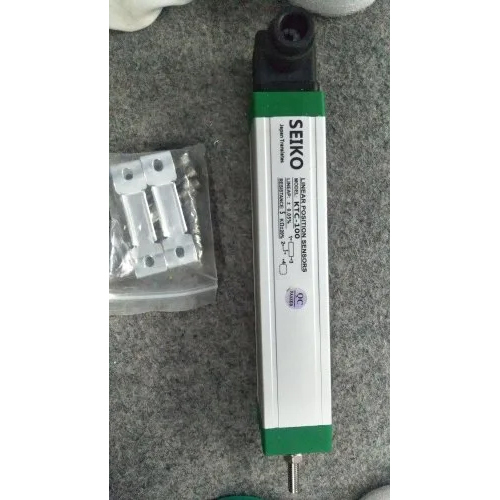
Tell us about your requirement

Price:
Quantity
Select Unit
- 50
- 100
- 200
- 250
- 500
- 1000+
Additional detail
Mobile number
Email


 Send Inquiry
Our Products

WZ-12, Begumpur, Rohini, Sector 22,Delhi - 110085, India

Mr. Anil Kumar
(Proprietor)
Mobile :07971550276
 Send Inquiry
 Send SMS
Developed and Managed by Infocom Network Private Limited.
