Call us now :07971550276
 Send Inquiry
 Send Inquiry
Rod Type Linear Transducer
Price 3200 INR/ Unit
MOQ : 1 Unit
Rod Type Linear Transducer Specification
- Material
- Metal
- Application
- Industrial
- Resistance
- 5 k
- Output
- Analog
- Theory
- Inductive
- Type
- Rod Type Linear Transducer
- Accuracy
- High %
- Operating Voltage
- 24V DC
- Output Voltage
- 0-10V
- Compensated Temperature
- +5C to +50C
- Storage Temperature
- -40C to +105C
- Operating Temperature
- -20C to +85C
- Protection Class
- IP67
- Vibration Resistance
- 20 g, 10-2000 Hz
- Response Time
- <1ms
- Shock Resistance
- 100 g, 6 ms
- Connector Type
- M12, 4-pin
- Signal Transmission
- Non-contact
- Mounting
- Threaded
- Measuring Range
- 50mm to 1000mm
- Linearity
- ±0.05% F.S.
Rod Type Linear Transducer Trade Information
- Minimum Order Quantity
- 1 Unit
- Payment Terms
- Cash Advance (CA)
- Supply Ability
- 50 Units Per Month
- Delivery Time
- 10 Days
- Main Domestic Market
- All India
About Rod Type Linear Transducer
Rod Type Linear Transducer is a precision measuring device used to measure linear displacement. It consists of a rod-shaped probe that is attached to the object being measured and a housing that contains the electronic circuitry for signal processing. As the object moves, the rod moves along with it, and the transducer detects the position of the rod with respect to the housing. Rod Type Linear Transducer converts the linear displacement into an electrical signal that is proportional to the distance traveled by the probe. This signal can be used to display the position of the object on a digital readout or to provide feedback to a control system.
High-Performance Linear Measurement
Experience precision with a rod type linear transducer offering measuring ranges from 50mm to 1000mm and an impressive linearity of 0.05% F.S. The advanced non-contact, inductive theory design ensures high accuracy and long-term reliability for automated industrial processes. Ideal for applications requiring robust performance and rapid response times.
Engineered for Industrial Durability
Encased in tough metal housing and rated IP67, this linear transducer withstands dusty, wet, and vibration-heavy environments. Its shock resistance (up to 100g, 6ms) and wide temperature operating range (-20C to +85C) assure steady operation, even in the most challenging settings. Suitable for OEMs, integrators, and plant operators seeking dependable performance.
Effortless Installation and Integration
Designed with user convenience in mind, this device features threaded mounting and a standard M12, 4-pin connector for secure and flexible installation. Outputting a 0-10V analog signal with swift response (<1ms), it integrates easily into various industrial control and feedback systems, making setup quick and straightforward.
FAQ's of Rod Type Linear Transducer:
Q: How does the rod type linear transducer achieve high measurement accuracy?
A: This transducer uses an inductive, non-contact measurement principle, offering a linearity of 0.05% F.S. The accuracy is maintained by its precision analog output (0-10V) and high-quality metal construction, making it suitable for critical industrial positioning applications over ranges from 50mm to 1000mm.Q: What makes this linear transducer suitable for harsh industrial environments?
A: Its IP67 protection class, robust metal housing, and resistance to shock (100g) and vibration (20g, 10-2000Hz) enable reliable performance in demanding settings. It can operate under challenging temperatures from -20C to +85C, making it ideal for use in diverse Indian industrial environments.Q: When should I select a non-contact signal transmission linear transducer?
A: Non-contact signal transmission is preferred when you require minimal mechanical wear, increased operational life, and consistent accuracy, especially in applications with frequent or rapid movement, heavy vibration, or where contamination could affect traditional contact-based sensors.Q: Where can this linear transducer be integrated within industrial automation?
A: The device is designed for integration into automated machinery, material handling systems, packaging lines, and robotics. Its threaded mounting and standard M12, 4-pin connector allow it to be easily installed in new or retrofitted systems by manufacturers, fabricators, and system integrators.Q: What are the steps to install and connect this linear transducer?
A: Installation involves mounting the transducer using the threaded connection at the desired position. Electrical connection is established via the M12, 4-pin connector. Proper alignment and secure mounting ensure optimal performance, and wiring the 0-10V output enables integration with control or monitoring equipment.Q: How does using this linear transducer benefit industrial operations?
A: By delivering rapid, high-accuracy position feedback with a response time under 1ms, this transducer enhances automation efficiency and product quality. Its durability reduces maintenance costs and downtime, while the standardized connections simplify system upgrades and replacements.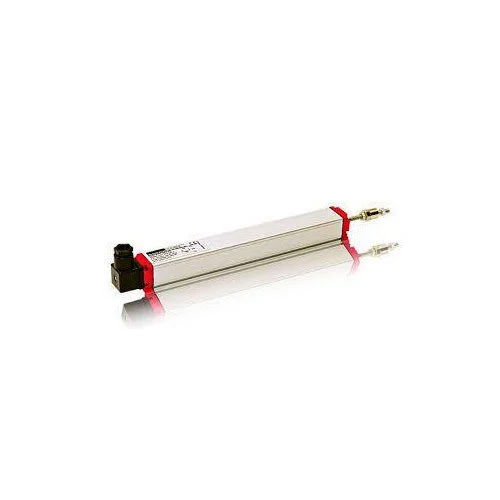
Tell us about your requirement

Price:
Quantity
Select Unit
- 50
- 100
- 200
- 250
- 500
- 1000+
Additional detail
Mobile number
Email

More Products in Linear Transducer Category
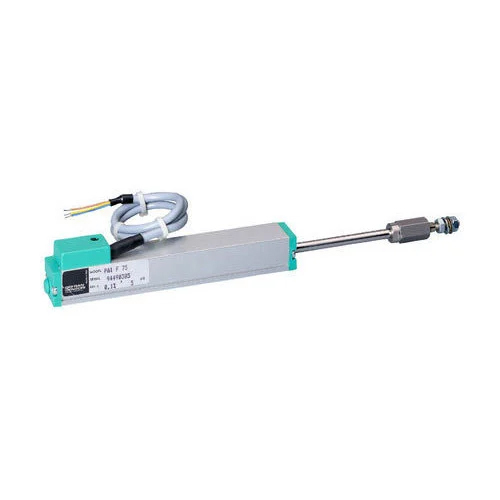
Trasduttore Di Spostamento Linear
Price 3200 INR / Unit
Minimum Order Quantity : 1 Unit
Voltage : 10 Volt (v)
Type : Trasduttore Di Spostamento Linear
Material : Metal
Application : Industrial
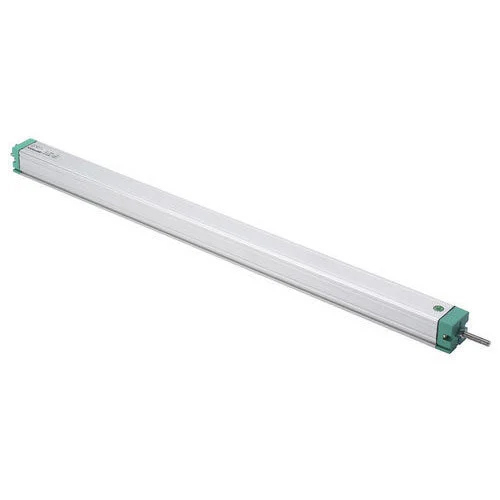
Displacement Linear Transducer
Price 3200 INR / Unit
Minimum Order Quantity : 1 Unit
Voltage : 10 Volt (v)
Type : Displacement Linear Transducer
Material : Metal, Plastic
Application : Industrial
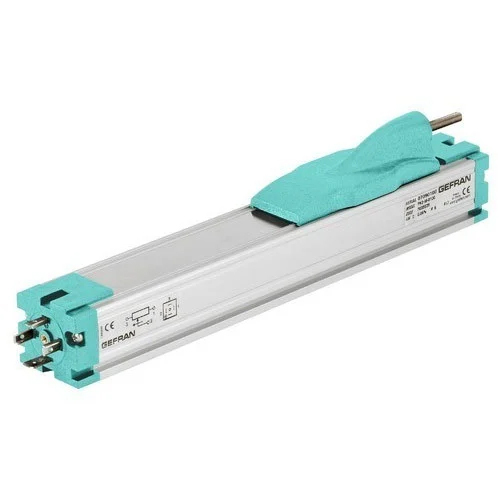
Rod Type Linear Scale Transducer
Price 3200 INR / Unit
Minimum Order Quantity : 1 Unit
Voltage : 10 Volt (v)
Type : Rod Type Linear Scale Transducer
Material : Metal, Plastic

 Send Inquiry
Our Products

WZ-12, Begumpur, Rohini, Sector 22,Delhi - 110085, India

Mr. Anil Kumar
(Proprietor)
Mobile :07971550276
 Send Inquiry
 Send SMS
Developed and Managed by Infocom Network Private Limited.
